


Minecraft 1.16.2.rar
 Pobierz
-
01 -
02 -
03 -
04 -
05 -
06 -
07 -
08 -
09 -
10 -
11 -
12 -
13 -
14 -
15 -
16 -
17 -
18 -
19 -
20 -
2025-07 -
2025-08 -
2025-09 -
2025-10 -
2025-11 -
21 -
22 -
23 -
24 -
25 -
26 -
27 -
28 -
29 -
30 -
31 -
ChomikBox -
Grajmy swoich -
Informacyjne -
Koncertowe Pasmo Radia Danielka -
Larrson, Stieg -
LAS - Wlasowstąpienie -
Łukasz Jędrys - Żywica -
Minecraft -
Piosenka Dnia w Radiu Danielka -
Płyta Tygodnia -
Programowanie -
SketchUp Pro 2025 -
Volkswagen MFD 2 DVD -
W Granicach Folku
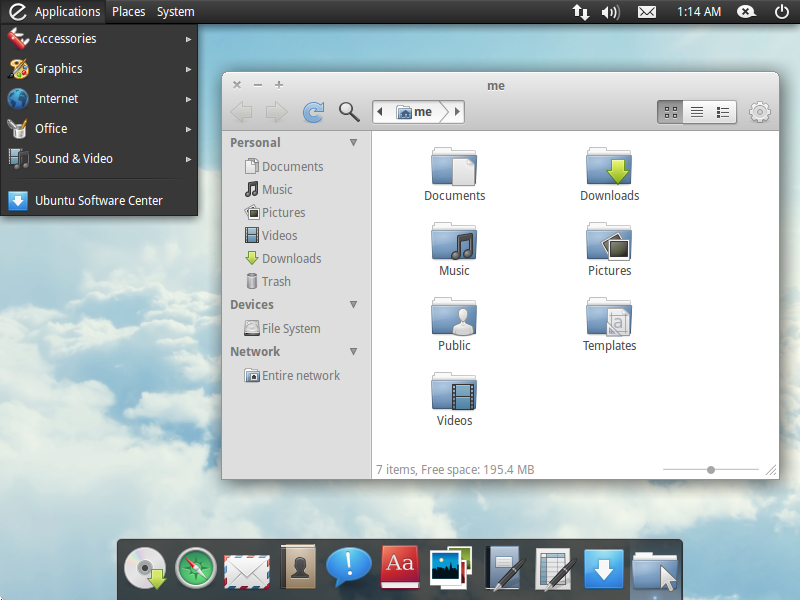
ElementaryOS 0.1 Jupiter The first stable version of elementary OS was Jupiter, published on 31 March 2011 and based on Ubuntu 10.10. As of October 2012, it is no longer supported and thus no longer available for download from the official elementary OS web site except in a historical capacity.

Elementary OS 0.3 "Freya" The name of the third stable version of elementary OS, Isis, was proposed in August 2013 by Daniel Foré, the project leader. It was later changed to Freya to avoid association with the terrorist group ISIS. It is based on Ubuntu 14.04 LTS, which was released in April 2014. The first beta of Freya was released on 11 August 2014. The second beta of Freya was released on 8 February 2015. The final version was released on 11 April 2015, after a countdown clock appeared on the website eight days earlier. Freya was downloaded 1.2 million times. In line with Elementary's intent to expand the reach of open source software, 73 percent of Freya downloads were from closed source operating systems. In 2015, the elementary OS developers changed the download page to default to a monetary amount before providing a direct HTTP download for the current stable release. Despite the fact that the user could specify any amount, or no amount at all, it sparked controversy about how such practices are typically not perceived as being in alignment with FOSS distribution philosophies. The elementary OS team has defended the action stating that "Around 99.875% of those users download without paying", and that it is needed to ensure the continued development of the distribution. In a review of all Linux distributions, Linux.com gave elementary OS their "best-looking distro" superlative in early 2016. The reviewer noted its developers' design background, their influence from Mac OS X, and their philosophy of prioritizing strict design rules and applications that follow these rules.
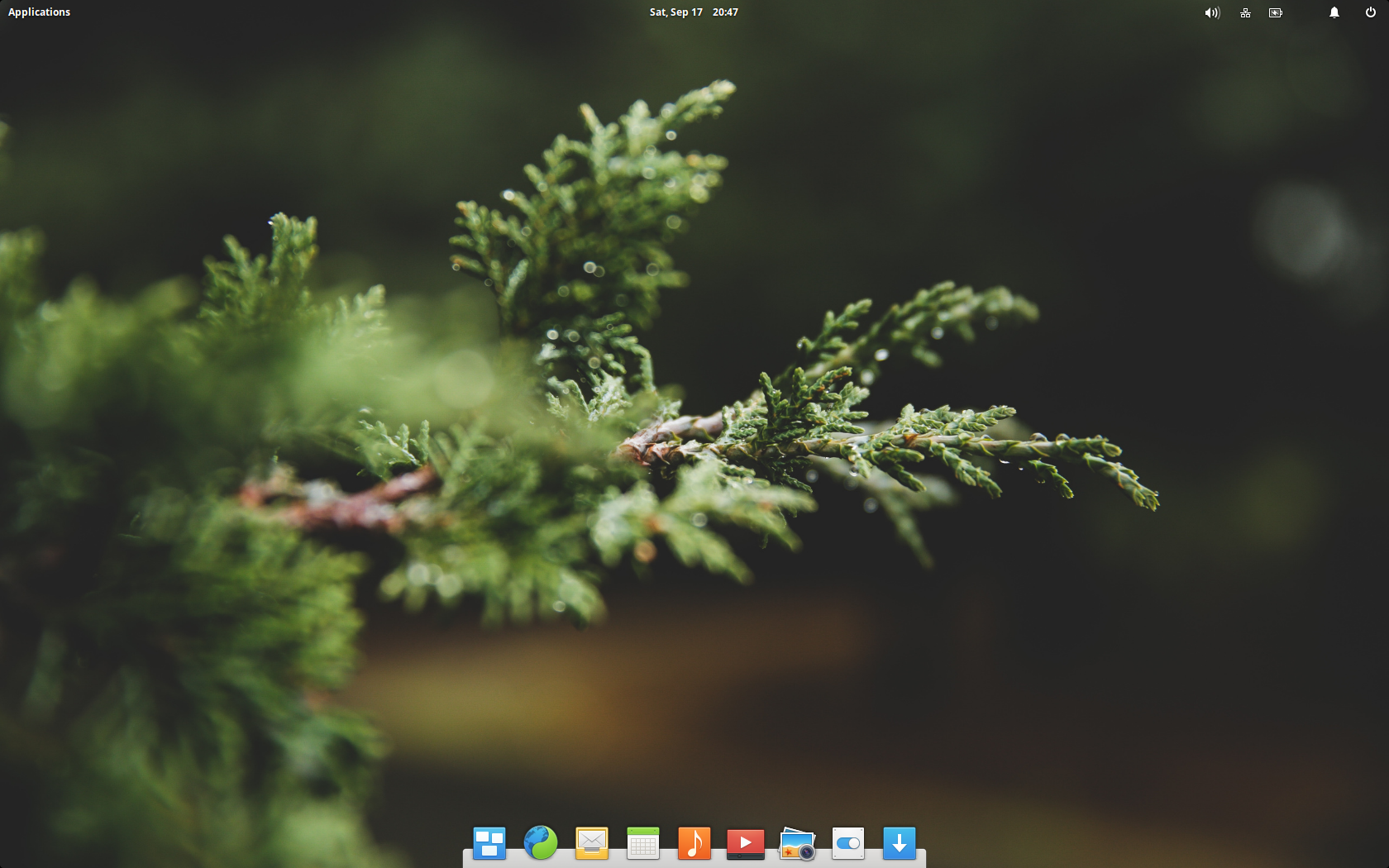
elementary OS 0.4, known by its codename "Loki", was released on 9 September 2016. Loki was built atop the Ubuntu "long-term support" version released earlier in the year and its updated kernel (4.4). Loki revamped the operating system's notifications and added multiple new pieces of standard software. It let users set notification display preferences. Updated notification menu bar indicators began to display information from the notification—such as the title of an email—rather than a general alert. The operating system also added a system-wide integration for online accounts for Last.fm and FastMail, with other services in development. Loki replaced Freya's Midori web browser with Epiphany, a WebKit2-based browser with better performance. After the Yorba Foundation which developed the Geary email client was dissolved, elementary OS forked Geary as "Mail" and added new visual and integration features. In a new calendar feature, users could describe events in natural language, which the calendar program interprets and places into the proper time and description fields when creating events. elementary OS also created its own app store that simplifies the process of installing and updating applications. Project founder Daniel Foré called the AppCenter the biggest feature in the Loki release, and noted its speed improvement over other installation methods and internal development benefits for departing from Ubuntu's upgrade tools. Loki developers received $9,000 in bounties during its development—nearly half of the project's total bounty fundraising. Jack Wallen of Linux.com praised Loki as being among the most elegant and best-designed Linux desktops. He found the web browser and app store changes to be significant improvements, and the email client revamp "a much-needed breath of fresh air" in a stagnating field. Overall, Wallen surmised that existing users would appreciate Loki's polish and new users would find it to be a perfect introduction to the operating system. Bryan Lunduke of Network World lauded Loki's performance, usability, polish, and easy installation, but considered it a better fit for new Linux users than for those already established. The elementary OS team received a large donation from an anonymous donor in early August 2018. The donation has allowed the development team to hire an additional full-time employee and expand long-term viability for the project.